

Interview with Julie Gavard: at the heart of brain tumour research
-
On 04 May 2026false false
In this month of May, dedicated to raising awareness of brain tumours, Julie Gavard, research director at CRCI2NA, looks back on her career, her work and her research into glioblastoma, an aggressive form of brain tumour.
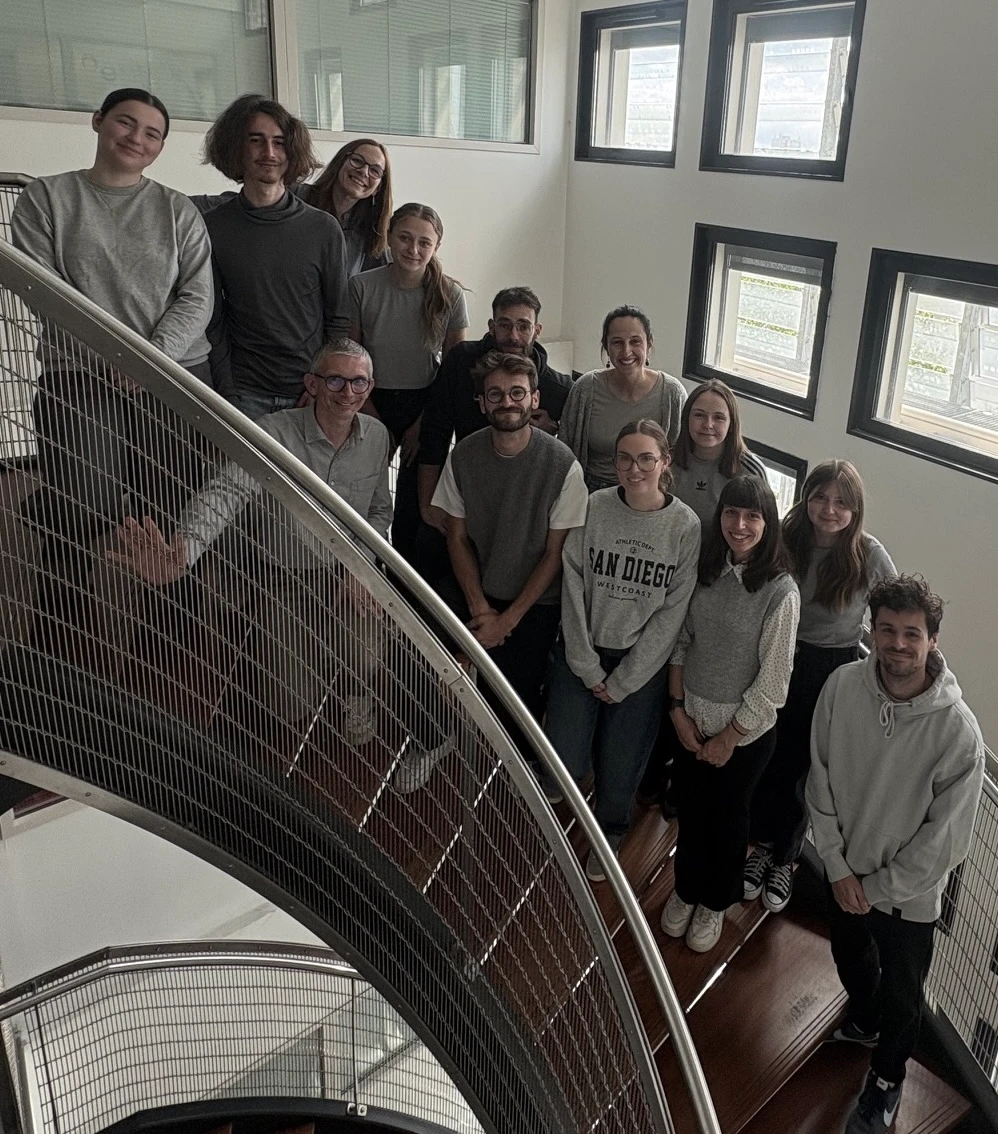
I am a Research Director at the CNRS within CRCI2NA, which I joined in 2015. My career has gradually developed at the intersection of neuroscience and vascular biology. I first completed a PhD in neuroscience, followed by a postdoctoral fellowship in the United States focusing on the vascular system. After returning to France, I met researchers specialising in brain tumours. This collaboration was a turning point in my research and enabled me to develop projects centred on cell signalling, the system of communication between cells.
This theme, in fact, inspired the name of our research team: ‘Signalling in Oncogenesis, Angiogenesis and Permeability’.
What is your research currently focused on?
My research focuses mainly on glioblastoma, the most common malignant brain tumour in adults. Every year, between 3,000 and 5,000 people are affected in France. Despite medical advances, treatments today remain mainly palliative.
This disease affects the brain, the centre of our emotions, our memory and our personality. One of the major challenges in research is understanding what happens at the heart of the tumour: how it develops, why some cells become more aggressive and why the disease sometimes reappears.
Within my team, we are studying how tumour cells communicate with one another in order to better understand the development of brain tumours. Every step forward helps to refine our understanding of the disease and, ultimately, to identify new treatment strategies. This month of May, dedicated to brain tumours, also serves as a reminder of the importance of research and raising awareness about these diseases.
You helped organise Brain Awareness Week 2026. What does this event mean for you?
Brain Awareness Week is, above all, a collective adventure led by researchers wishing to share their scientific knowledge. The aim of this event is to raise public awareness about the importance of brain research. During the event, we meet with schoolchildren to explain our work and what daily life is like in a laboratory. The event also allows young scientists to present their career paths, interact with the public and make science more accessible. It is important to create spaces for dialogue and knowledge sharing around the brain.
You mention a collective effort…
Research progresses thanks to collective work, the knowledge sharing and exchanges between those involved in research. Within the team, we actually have a motto: “Sharing is caring”. This dynamic is essential, and it is also what feeds the hope of advancing knowledge and, ultimately, offering new therapeutic approaches for patients.
